By Zelenka Development Editorial Team · Updated 2026-07-19
When building a custom home in Denver, reducing your building costs starts with simplifying your floor plan design. Fewer exterior corners directly lower material and labor expenses across virtually every construction phase. Working with an experienced local builder in your area, like those serving Denver, CO, also helps you make smarter budget decisions early, avoiding costly changes mid-build.
Reducing custom home building costs starts with hiring a licensed general contractor experienced in local market conditions. Clients who partner with a trusted builder — such as Zelenka Development, serving Denver’s metro area — benefit from precise planning, smart material selection, and streamlined project management that prevents costly overruns before construction begins.
Key Takeaways
- Custom homes cost more than stock houses despite identical features and sizes due to personalization requirements.
- Price per square foot optimization requires strategic planning to balance quality finishes with overall budget constraints.
- Tailored designs accommodate individual lifestyle needs while maintaining cost efficiency through thoughtful material and layout selections.
- Investment-focused custom builds maximize resale value by prioritizing quality construction over unnecessary premium finishes and upgrades.
What Does It Really Cost to Build Custom in Denver?
Cost to build a custom home in Denver runs higher than purchasing a comparable stock home — even when square footage and finishes are identical. Custom construction commands a premium because every element is designed and built to a specific client’s requirements, not a developer’s standardized template.
Zelenka Development serves the Denver metro area and works with clients to establish a realistic custom home budget that Denver homeowners can actually build within. The gap between expectation and final cost is where most projects run into trouble. Getting the numbers right from day one protects clients from costly mid-build decisions.
Why Do Custom Homes Cost More Than Stock Houses?
Tailor-made homes cost more than stock houses even when features and sizes match, and most of that gap is labor. A production builder repeats the same plan across dozens of homes, so every trade — framers, electricians, plumbers, finish carpenters — already knows the layout, has priced it before, and can move through it efficiently. On a custom home, each trade is working from a drawing set they’ve never seen. They have to price it from scratch, solve details in the field, and coordinate around conditions unique to that one house. There’s no repetition to gain speed from, and every phase needs closer supervision to keep the sequence right. That specificity adds hours across every trade, and those hours are the cost.
How Much Does It Cost to Build a Custom Home in Colorado?
How much it costs to build a custom home in Colorado depends on land, design complexity, material selections, and the contractor a client chooses. Custom home cost per square foot Denver varies based on those same variables, which is why no two project budgets look alike. Partnering with the right licensed general contractor is the single most effective way to align build quality with a defined budget.
Zelenka Development is fully licensed and insured, giving clients confidence that every phase of construction meets professional and regulatory standards. That credential matters — unlicensed contractors introduce financial and legal risk that can derail a project entirely.
- Shell vs. finishes: Structural costs and finish costs behave differently; understanding custom home shell vs. finishes cost early prevents budget shock later.
- Roofline decisions: Roofline complexity and construction cost are directly linked — more angles mean more labor and material.
- Value engineering: Applying value engineering custom home strategies from the design phase forward preserves quality while controlling spend.
Scrape-and-build projects carry a cost most first-time buyers don’t anticipate: asbestos testing on the existing structure. Older homes commonly contain asbestos in floor tile, popcorn ceilings, duct wrap, and siding, and that material has to be identified before demolition begins. If testing comes back positive, licensed abatement is a separate scope of work that can add meaningful expense, often in the tens of thousands of dollars, and time to the front of the project — well before a single new wall goes up. Anyone budgeting a teardown in an established Denver neighborhood should assume testing is part of the process and confirm early whether abatement will be needed.
How Does Lot Selection Affect Your Custom Home Budget?
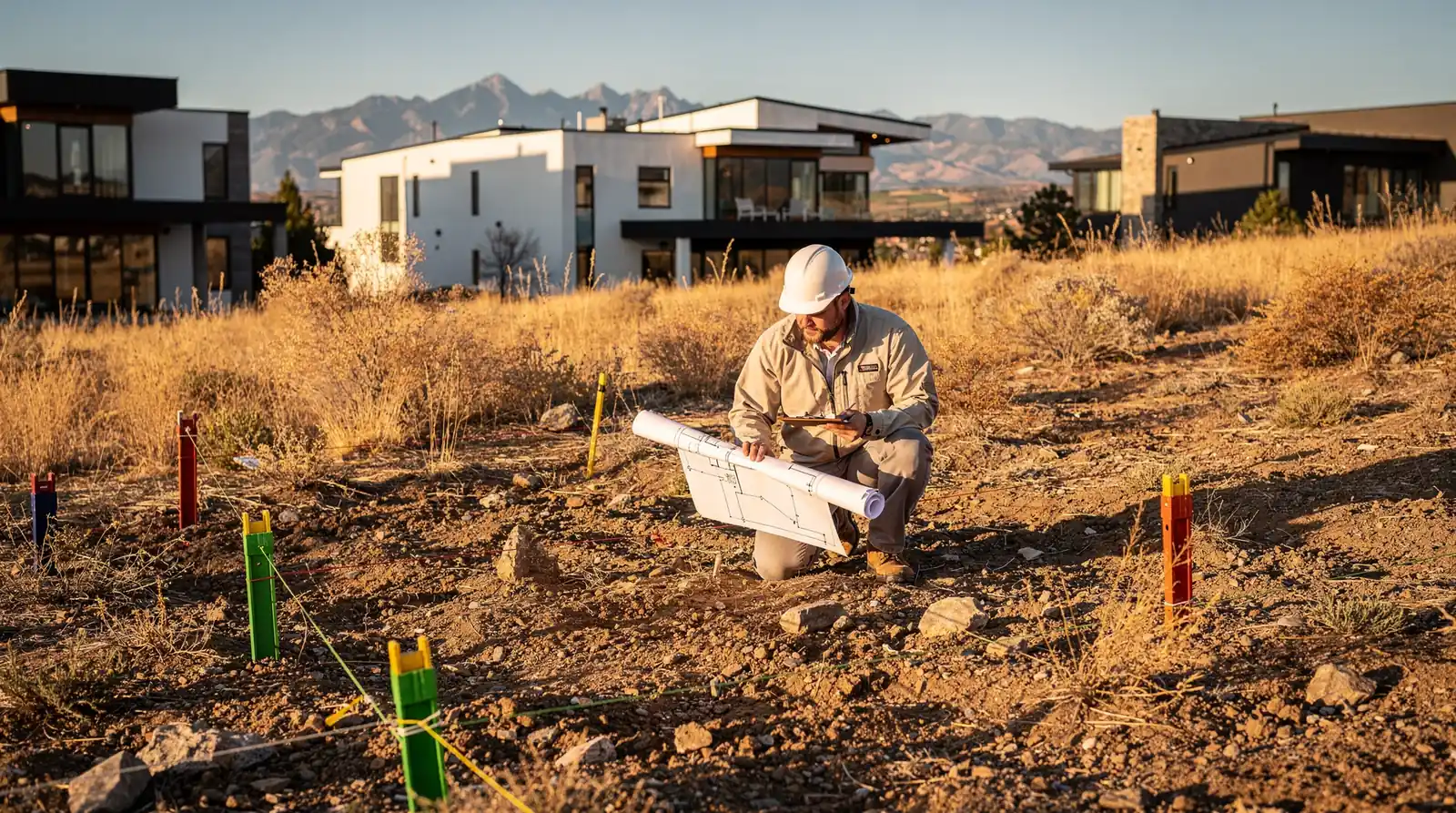
Lot selection is one of the earliest — and most consequential — decisions in a Denver custom home budget planning process. Choosing the wrong parcel adds thousands in site preparation costs before a single wall goes up.
An even, level lot requires minimal grading and earthwork. Sloped or rocky terrain demands excavation, retaining walls, and soil remediation, all of which inflate the overall cost to build a custom home in Denver before construction even begins. Cost-cutting starts at the land search stage, not the design table.
What Makes a Lot “Budget-Friendly” for Custom Home Construction?
A budget-friendly lot minimizes the site preparation work a builder must perform. Flat, accessible parcels with stable soil reduce grading costs and keep the project on schedule. Homeowners who prioritize lot characteristics early protect their construction budget from the ground up — literally.
How Does Permitting Factor Into Lot-Related Costs?
Permitting requirements vary by municipality and can add unexpected time and expense to a project. Zelenka Development handles all required permits as part of its end-to-end service, removing that administrative burden from the homeowner’s plate entirely. That single advantage keeps projects moving without costly delays.
Key lot-selection factors that affect budget:
- Grading requirements — level lots reduce earthwork costs
- Soil stability — unstable ground requires engineered foundations
- Site accessibility — remote or constrained lots raise material delivery costs
- Municipal permit complexity — varies by jurisdiction and lot classification
Zelenka Development offers free consultations, giving clients a clear-eyed assessment of how a specific lot will affect total project costs before any commitment is made.
Can Smart Floor Plan Design Lower Cost Per Square Foot?
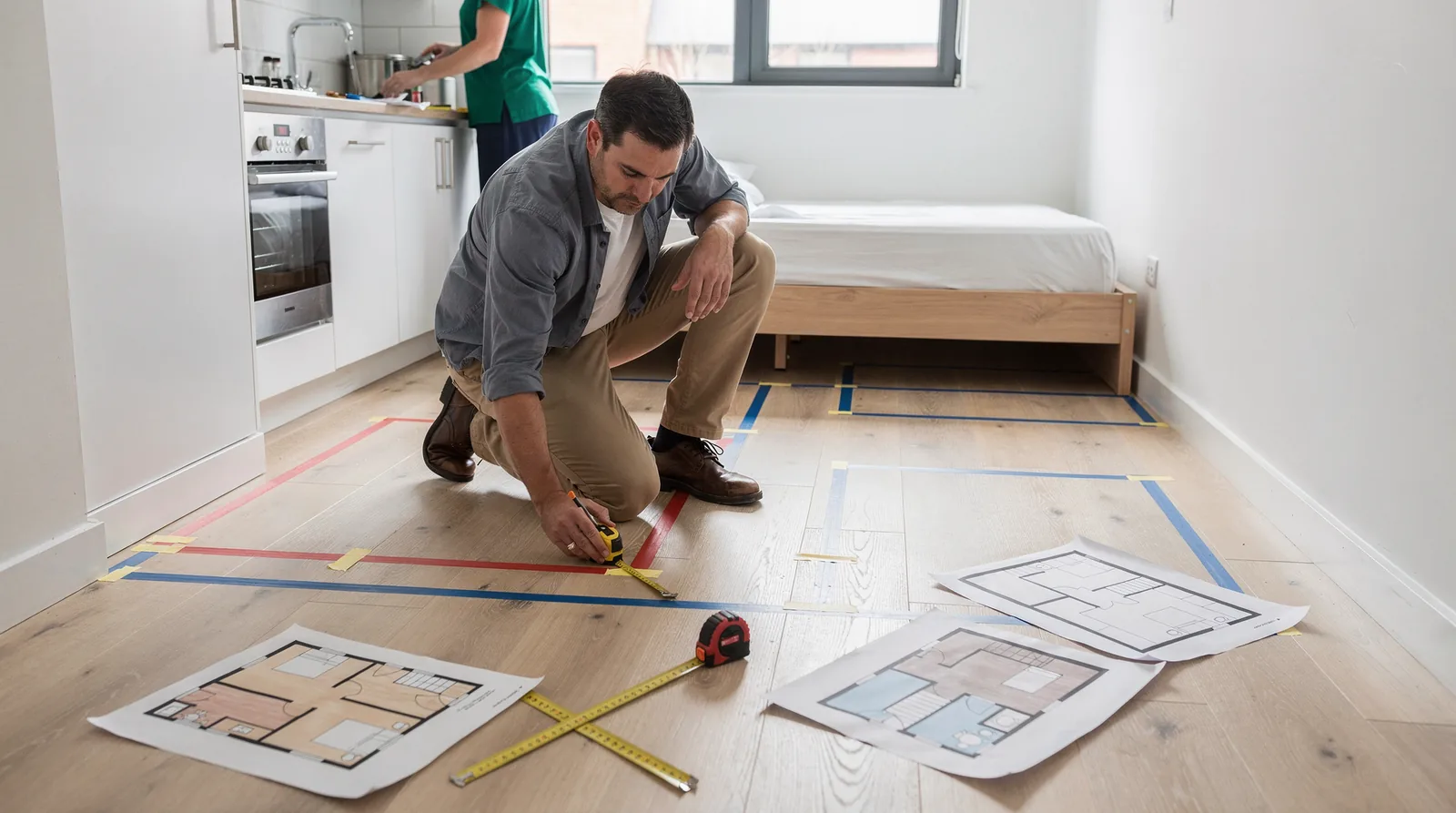
Smart floor plan design directly reduces the custom home cost per square foot Denver clients pay, and floor plan optimization ranks among the biggest single drivers of construction cost control. Clients who overlook floor plan efficiency at the design stage pay more across every trade, from framing to flooring.
How Does Reducing Exterior Corners Save Money?
Every exterior corner added to a home’s footprint increases material and labor costs across virtually every phase of construction. Fewer corners mean less framing lumber, fewer finishing details, and reduced labor hours for siding, insulation, and trim. Simpler perimeters translate directly into a leaner custom home budget Denver homeowners can actually sustain.
Does Building in Standard Increments Really Cut Waste?
Designing room dimensions in two-foot increments maximizes material usage because lumber, drywall, and flooring are manufactured in standard sizes. When dimensions fall outside those increments, contractors cut materials to fit — and the offcuts become waste. That waste adds cost without adding value. Aligning the floor plan to standard material dimensions is a core principle of value engineering custom home design. It requires no sacrifice in quality or livability.
The practical takeaways for clients planning a custom build:
- Minimize exterior corners to reduce labor and material costs across all construction phases
- Design in two-foot increments to align with standard lumber, drywall, and flooring dimensions
- Prioritize efficient square footage over raw size to keep the cost to build a custom home in Denver within budget
Zelenka Development brings years of experience to every project, ensuring each client’s vision is executed with precision and care — including the early design decisions that protect the budget before a single foundation is poured.
Does Roofline Complexity Significantly Drive Up Construction Costs?
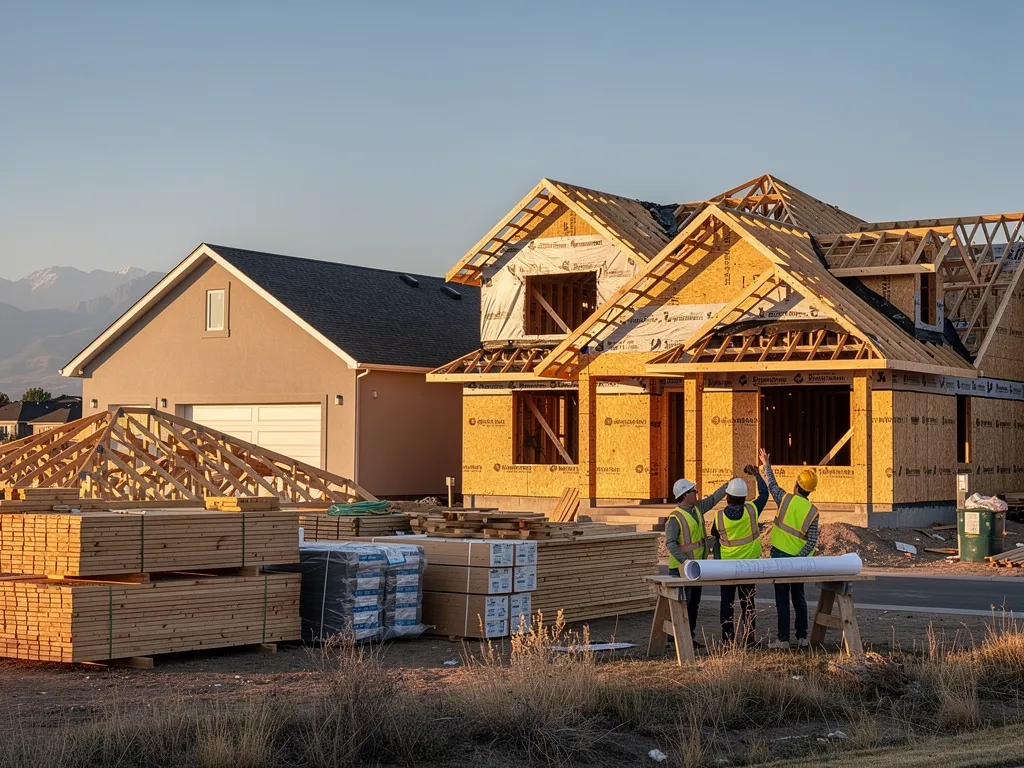
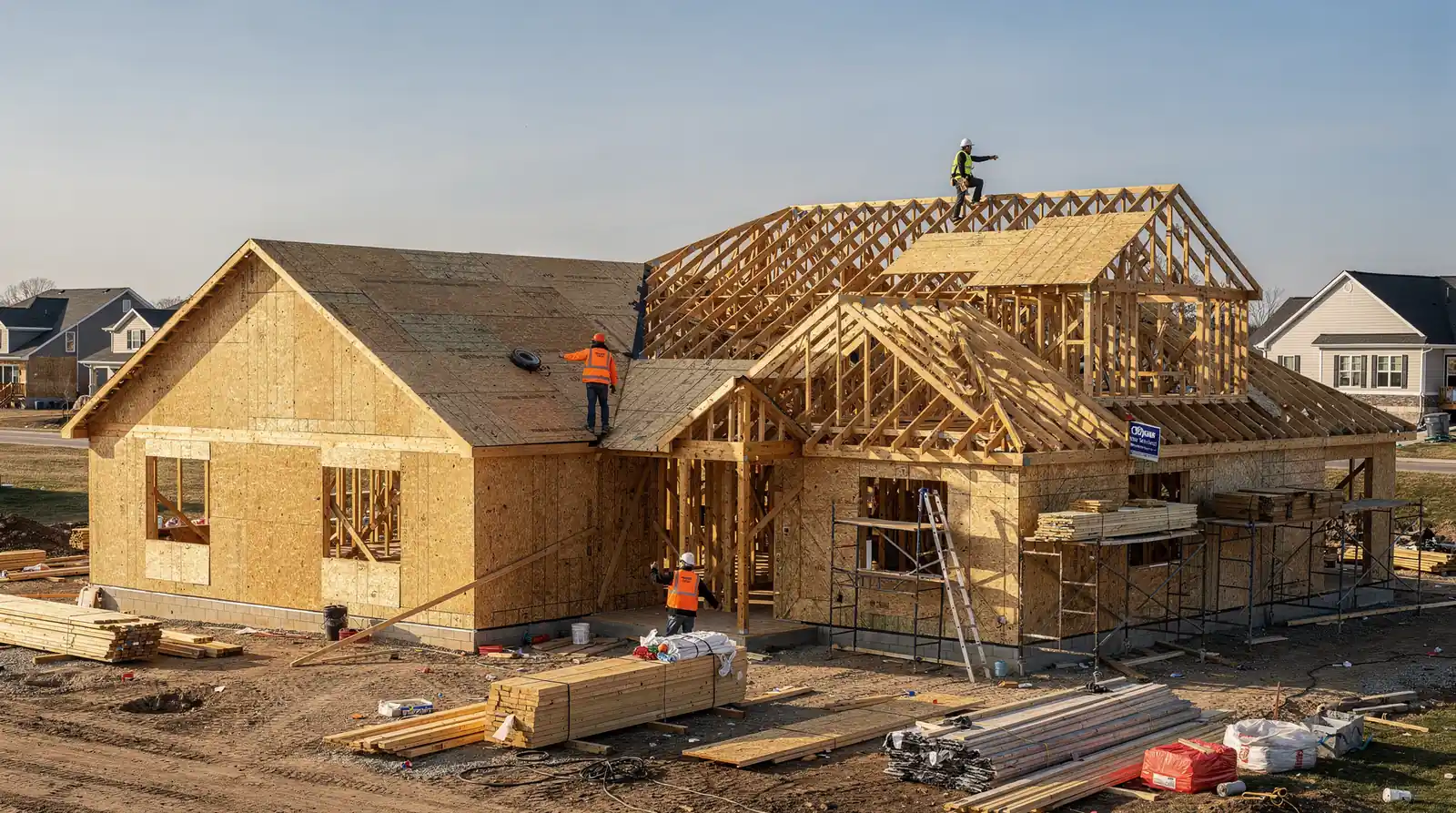
Roofline complexity and construction cost share a direct relationship — every additional angle, valley, and intersection added to a roofline raises both material quantities and labor hours. Homebuilders who overlook this connection routinely absorb budget overruns that smart design choices could have prevented.
Each new corner or pitch change multiplies expenses across nearly every construction phase. Framing, sheathing, flashing, and roofing labor all increase when workers must cut, fit, and seal irregular geometry. A simpler roofline eliminates those compounding costs without diminishing the home’s overall quality.
How Does Roofline Design Affect the Overall Custom Home Budget?
Roof geometry is one of the most consequential decisions in a custom home budget Denver homeowners set early in the planning process. More intersections mean more waste, more skilled labor hours, and a higher likelihood of water-infiltration points that require long-term maintenance. Keeping the roofline clean and angular — rather than ornate — protects the budget at every stage.
Can Homeowners Reduce Roof Costs Without Sacrificing Curb Appeal?
Value engineering custom home plans offers a proven answer: concentrate distinctive architectural features on the front elevation, where visual impact is highest, and keep the rear and side profiles straightforward. This approach delivers the curb appeal clients want while eliminating unnecessary complexity where no one sees it.
The strategy reflects a broader principle: smart design choices and proper planning reduce construction costs while still producing a beautiful, energy-efficient, well-built home. Zelenka Development reinforces this principle operationally by limiting active projects at any given time, ensuring meticulous oversight on every build and preventing the costly errors and rework that complex rooflines can trigger when supervision is stretched thin.
How Should You Balance Shell Costs Against Interior Finishes?
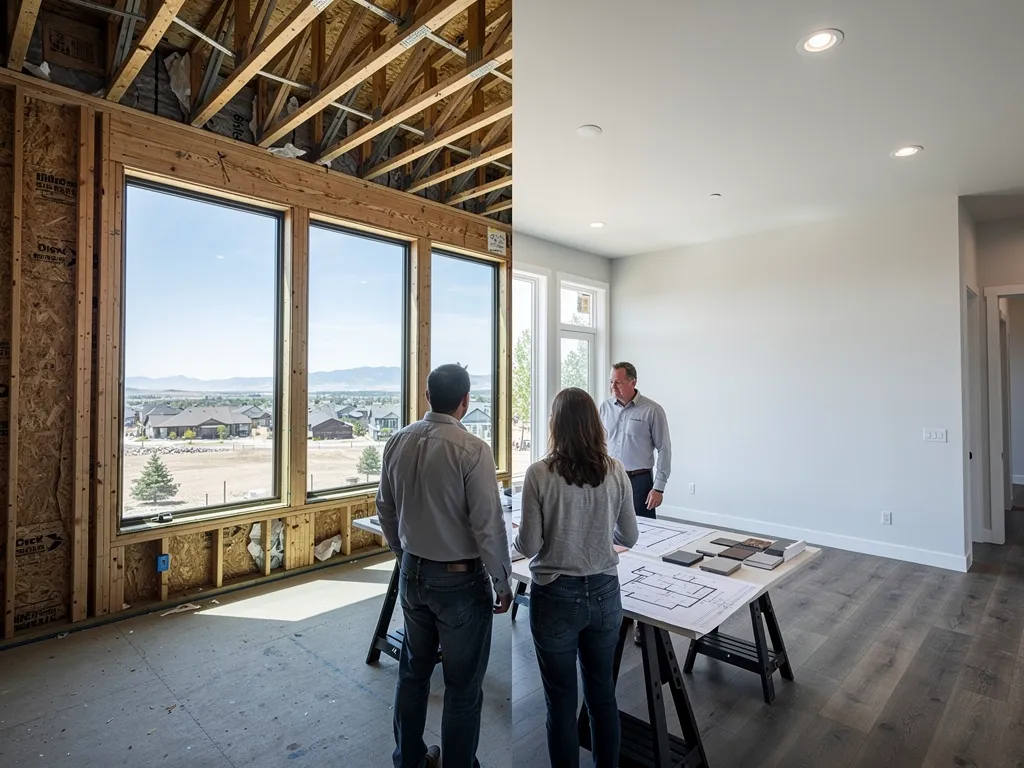
Balancing custom home shell vs. finishes cost is one of the most consequential decisions in any custom build. Allocating too much budget to premium finishes while underinvesting in the structural shell creates long-term performance problems that are expensive to correct after construction is complete.
The core challenge is straightforward: most clients building a custom home want both premium quality and an affordable cost per square foot that Denver builders can realistically deliver. Those two goals pull in opposite directions, and without a deliberate strategy, one almost always suffers.
What Happens When Finishes Consume Too Much of the Budget?
Overspending on interior finishes early in the project leaves insufficient funds for structural integrity, insulation, and mechanical systems. A home with stunning countertops but an underfunded shell faces energy inefficiency, moisture issues, and costly repairs within years of completion. Protecting the structural investment first is the disciplined approach experienced builders recommend.
How Does a Builder’s Warranty Protect Both Shell and Finishes?
Warranty coverage matters across every layer of the home, not just the visible surfaces. Zelenka Development backs completed projects with manufacturer warranties and post-construction guarantees, protecting the homeowner’s investment in both the structural shell and interior finishes. That dual-layer protection gives clients confidence that quality standards are upheld throughout the entire build.
Zelenka Development’s end-to-end services — spanning architectural design, permitting, energy-efficient construction, and interior design — position the firm to guide Denver clients through these allocation decisions from the earliest planning stages. As a locally owned business, Zelenka Development understands the specific priorities of Denver-area homeowners and provides personalized guidance that extends well beyond the construction phase itself.
Understanding Custom Home Costs with Zelenka Development
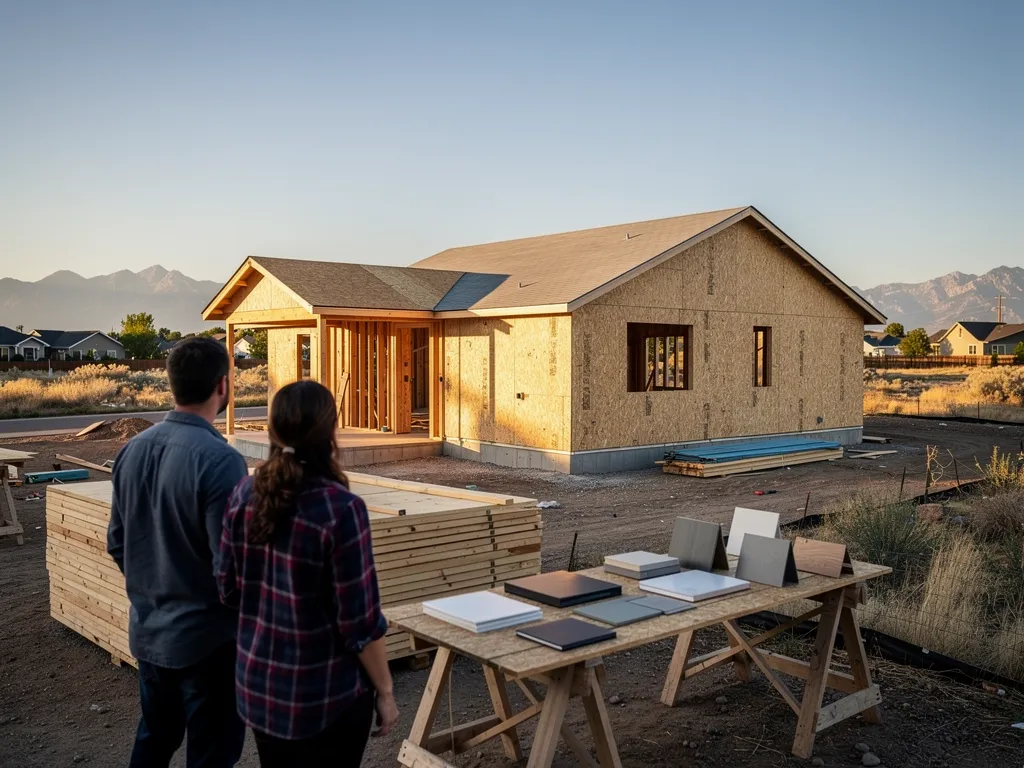
Controlling the cost to build a custom home in Denver comes down to a handful of disciplined decisions made early: choosing a budget-friendly lot, simplifying the floor plan and roofline, and allocating spend between the structural shell and interior finishes with clear-eyed priorities. Value engineering applied from the design phase forward — not as an afterthought — is what separates projects that finish on budget from those that spiral mid-build. Zelenka Development brings licensed, locally grounded expertise to every phase of that process, from initial lot assessment through post-construction warranty coverage. Homeowners in the Denver metro who are ready to build smart, not just build big, are welcome to schedule a free consultation and see exactly how those principles apply to their project.